
How to Plan Your Workforce for a Mine-Site Shutdown
A shutdown runs on people, not just the plan.
Scope the work first, then build the crew around it, the right trades, enough of them, all inducted and site-ready before day one, and always leave a bit of slack for the jobs you didn’t see coming
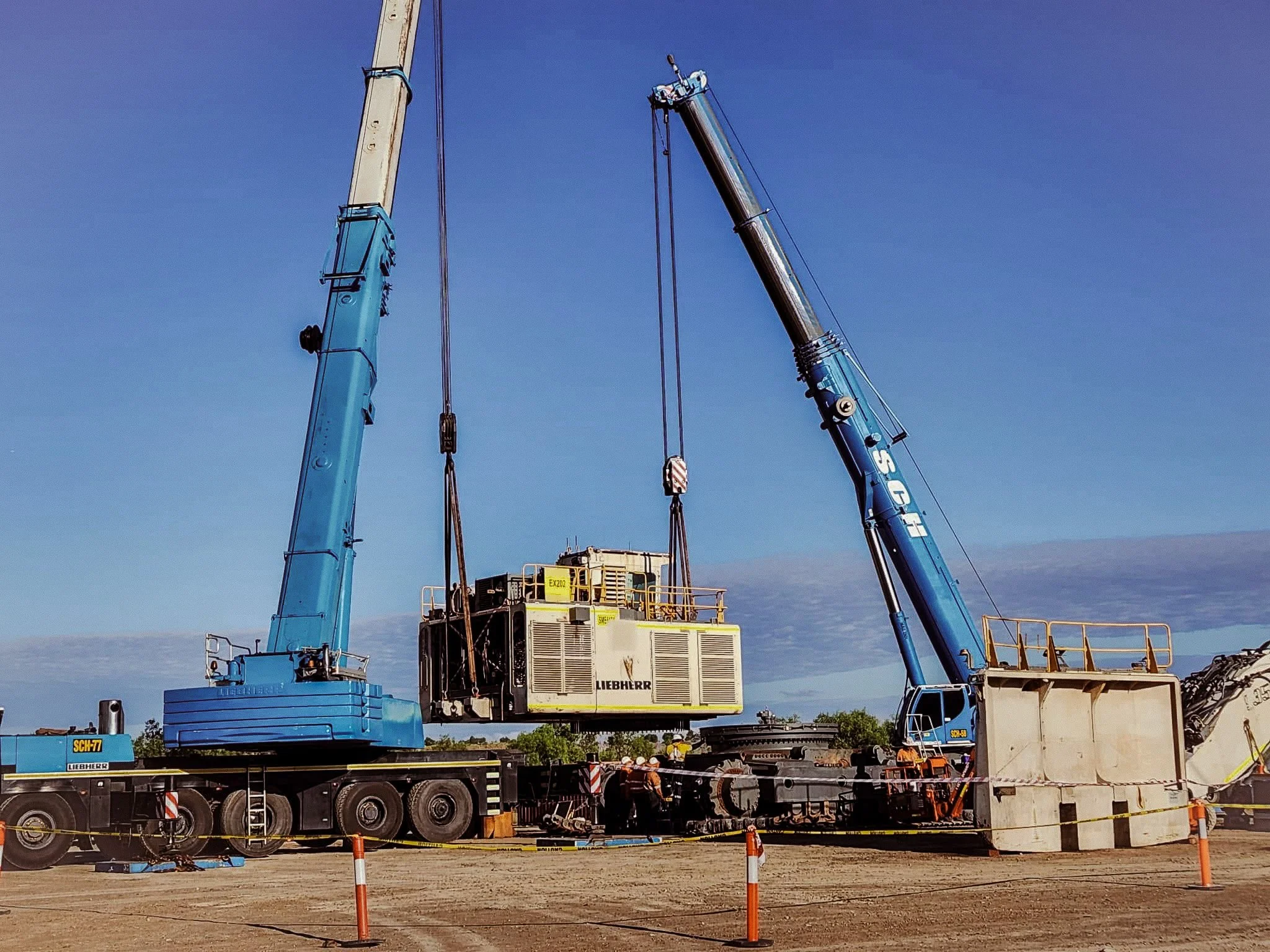
Ask anyone who’s run a shutdown in the Bowen Basin and you’ll hear the same thing: the schedule on paper never quite survives the first shift. A job that was meant to take four hours turns into twelve. A machine you weren’t worried about throws up a crack. And suddenly the crew you thought was plenty is stretched thin.
We’ve been on both sides of that fence, on the tools during shutdowns, and supplying the crews for them, so here’s how we’d plan the workforce side of a shutdown to give yourself the best shot at finishing on time.
Start with the scope, not the headcount
It’s tempting to start with “how many bodies do we need.” Start with the work instead. List every task in the window, roughly how long each one takes, and which trade it needs, fitters, boilermakers, trade assistants, supervisors. Once the work is laid out, the crew you need tends to sort itself out. Guess the headcount first and you’ll almost always end up either paying for people standing around or scrambling for an extra fitter at 2am.
Work out where the real gaps are
Most sites have a solid core team. The question is where that team runs short during a shutdown, the specialist trades, the extra hands for the heavy lifts, the supervisor to run a second face so the work doesn’t bottleneck. That’s usually where hired labour earns its keep. Be honest about it early, because the good tradespeople get booked out fast around a major shutdown.
Get your crew site-ready before day one
This is the one that quietly wrecks schedules. If people rock up on the morning of the shutdown still needing inductions, medicals or ticket checks, you’ve lost half a day before a spanner’s turned. Make sure whoever’s supplying your labour has their people inducted, ticketed and briefed before the window opens. When we place a crew, that’s the whole point, they’re site-ready, so you get productive people from the first shift, not a training exercise.
Leave slack for the job you didn’t plan for
Something always comes up. A tray with a crack that wasn’t on the list. A component that’s worse than it looked. If every single person is committed to a task with no give, one surprise blows the whole schedule. Build in a bit of contingency, a spare fitter, a supervisor who can flex, so the unexpected doesn’t derail everything else.
Don’t leave labour to the last minute
The best crews in Mackay and the Basin get snapped up early, especially when a few sites have shutdowns landing around the same time. The earlier you scope the work and lock in your labour, the better the people you’ll get. Last-minute works, but you’re taking whoever’s left.
A quick shutdown-labour checklist
Work scoped task by task, with trade and rough hours
Core-team gaps identified honestly
Labour booked early, not the week before
Everyone inducted, ticketed and briefed before day one
Contingency built in for the surprises
One clear point of contact for the labour side
Get those right and the workforce stops being the thing that blows out your window.
At CWS Heavy Maintenance Repairs, we know a shutdown lives or dies on having the right people in the right spot at the right time.
From our base in Paget, Mackay, we supply experienced, site-ready fitters, boilermakers and crews for shutdowns and projects right across Mackay and the Bowen Basin, inducted, ticketed and ready to work from day one.
Got a shutdown coming up? Contact us or send through your dates and we’ll help you scope the crew.